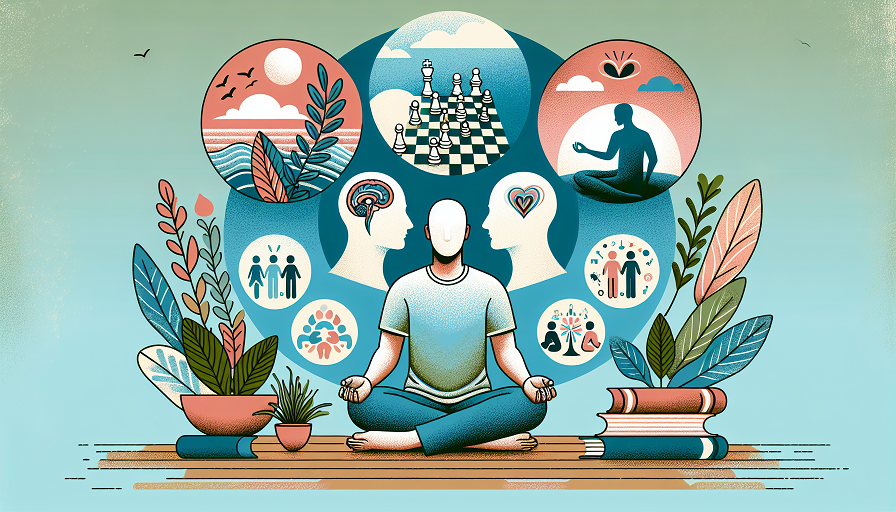
Holistic health is an approach to wellness that considers the whole person, encompassing physical, mental, emotional, social, and spiritual well-being. Self-care is a crucial component of holistic health, involving intentional actions and practices to nurture and maintain overall health. Creating a balanced routine that integrates various aspects of self-care can lead to a more fulfilling and healthier life. This article explores how to develop a holistic health and self-care routine, providing practical tips and strategies for achieving balance.
Contents
Physical Self-Care
Physical self-care focuses on maintaining and improving your body’s health through exercise, nutrition, sleep, and preventive measures.
Exercise and Movement
Regular physical activity is essential for overall health. Incorporate a variety of exercises into your routine, including cardiovascular activities, strength training, flexibility exercises, and balance workouts. Aim for at least 150 minutes of moderate-intensity aerobic activity or 75 minutes of vigorous-intensity activity each week, along with muscle-strengthening activities on two or more days a week.
Nutrition and Hydration
A balanced diet rich in whole foods provides the necessary nutrients for optimal health. Focus on consuming a variety of fruits, vegetables, lean proteins, whole grains, and healthy fats. Stay hydrated by drinking plenty of water throughout the day. Avoid excessive consumption of processed foods, sugary beverages, and alcohol.
Sleep and Rest
Adequate sleep is crucial for physical and mental well-being. Aim for 7-9 hours of quality sleep each night. Establish a regular sleep schedule, create a relaxing bedtime routine, and maintain a sleep-friendly environment by keeping your bedroom dark, quiet, and cool.
Preventive Health Measures
Engage in regular health check-ups, screenings, and vaccinations. Pay attention to your body’s signals and seek medical advice when needed. Preventive measures, such as maintaining good hygiene and managing stress, can also contribute to better physical health.
Mental and Emotional Self-Care
Mental and emotional self-care involves practices that promote mental clarity, emotional resilience, and overall psychological well-being.
Mindfulness and Meditation
Mindfulness and meditation practices help reduce stress, enhance emotional regulation, and improve mental clarity. Incorporate mindfulness techniques such as mindful breathing, body scan meditation, and mindful walking into your daily routine. Regular meditation sessions can provide a sense of calm and balance.
Stress Management
Effective stress management is vital for mental health. Identify stressors and develop healthy coping mechanisms, such as deep breathing exercises, journaling, physical activity, and engaging in hobbies. Practice relaxation techniques like progressive muscle relaxation and guided imagery to reduce stress levels.
Emotional Expression and Support
Expressing emotions and seeking support from others are essential for emotional well-being. Talk to trusted friends or family members about your feelings, or consider joining a support group. Professional counseling or therapy can also provide valuable support and guidance.
Positive Thinking and Gratitude
Adopting a positive mindset and practicing gratitude can enhance emotional resilience. Keep a gratitude journal to regularly reflect on the things you are thankful for. Focus on positive affirmations and surround yourself with uplifting influences.
Social Self-Care
Social self-care involves building and maintaining healthy relationships and a supportive social network.
Building Meaningful Connections
Invest time and effort in developing meaningful relationships with friends, family, and community members. Engage in activities that foster connection, such as shared hobbies, volunteer work, and social events.
Setting Boundaries
Healthy relationships require clear boundaries. Communicate your needs and limits to others and respect theirs in return. Setting boundaries helps prevent burnout and ensures that relationships remain balanced and mutually supportive.
Quality Time with Loved Ones
Spend quality time with loved ones to strengthen bonds and create lasting memories. Make an effort to disconnect from digital distractions and be fully present during these interactions. Regularly schedule activities that you enjoy doing together.
Seeking Social Support
Don’t hesitate to seek social support when needed. Whether it’s asking for help during challenging times or simply enjoying companionship, a strong social support system can significantly enhance overall well-being.
Spiritual Self-Care
Spiritual self-care involves nurturing your spiritual beliefs and practices, which can provide a sense of purpose, meaning, and connection.
Exploring Spiritual Practices
Engage in spiritual practices that resonate with you, such as prayer, meditation, or attending religious services. Exploring different spiritual traditions and rituals can help you find what aligns best with your beliefs and values.
Nature and Environmental Connection
Spending time in nature can be a powerful spiritual experience. Activities such as hiking, gardening, or simply sitting in a park can help you feel more connected to the earth and the universe. Nature provides a space for reflection, relaxation, and renewal.
Personal Reflection
Regularly set aside time for personal reflection. Practices such as journaling, contemplative reading, or quiet contemplation can deepen your understanding of yourself and your spiritual path.
Community and Service
Participating in community activities and service can enhance your sense of connection and purpose. Volunteering, joining spiritual groups, or engaging in acts of kindness can contribute to spiritual growth and fulfillment.
Creating a Balanced Self-Care Routine
Integrating various aspects of self-care into a balanced routine can help you maintain holistic health and well-being.
Assessing Your Needs
Begin by assessing your current self-care practices and identifying areas that need attention. Consider your physical, mental, emotional, social, and spiritual needs, and prioritize them accordingly.
Setting Realistic Goals
Set achievable self-care goals that align with your needs and lifestyle. Start with small, manageable changes and gradually build on them. Consistency is key to establishing a sustainable self-care routine.
Creating a Schedule
Create a self-care schedule that incorporates daily, weekly, and monthly activities. Ensure that you allocate time for exercise, nutrition, sleep, mindfulness, social interactions, and spiritual practices. Flexibility is important, so adjust your schedule as needed to accommodate life’s demands.
Tracking Progress
Monitor your self-care routine and track your progress. Reflect on how different practices impact your overall well-being and make adjustments as necessary. Keeping a self-care journal can help you stay accountable and motivated.